
Laser Sintering (SLS)
Polyamide laser sintering is a high-performance 3D printing (additive manufacturing) technology that enables the production of functional components with exceptional mechanical properties. At Ineo, we apply this process to produce end-use parts and technical prototypes that demand high thermal resistance and durability, handling even the most complex geometries without the need for support structures.
Laser Sintering (SLS)
It is the most suitable technology for the direct manufacture of functional parts, prototypes and parts in series (Rapid Manufacturing) with mechanical characteristics similar to those of injected thermoplastics.
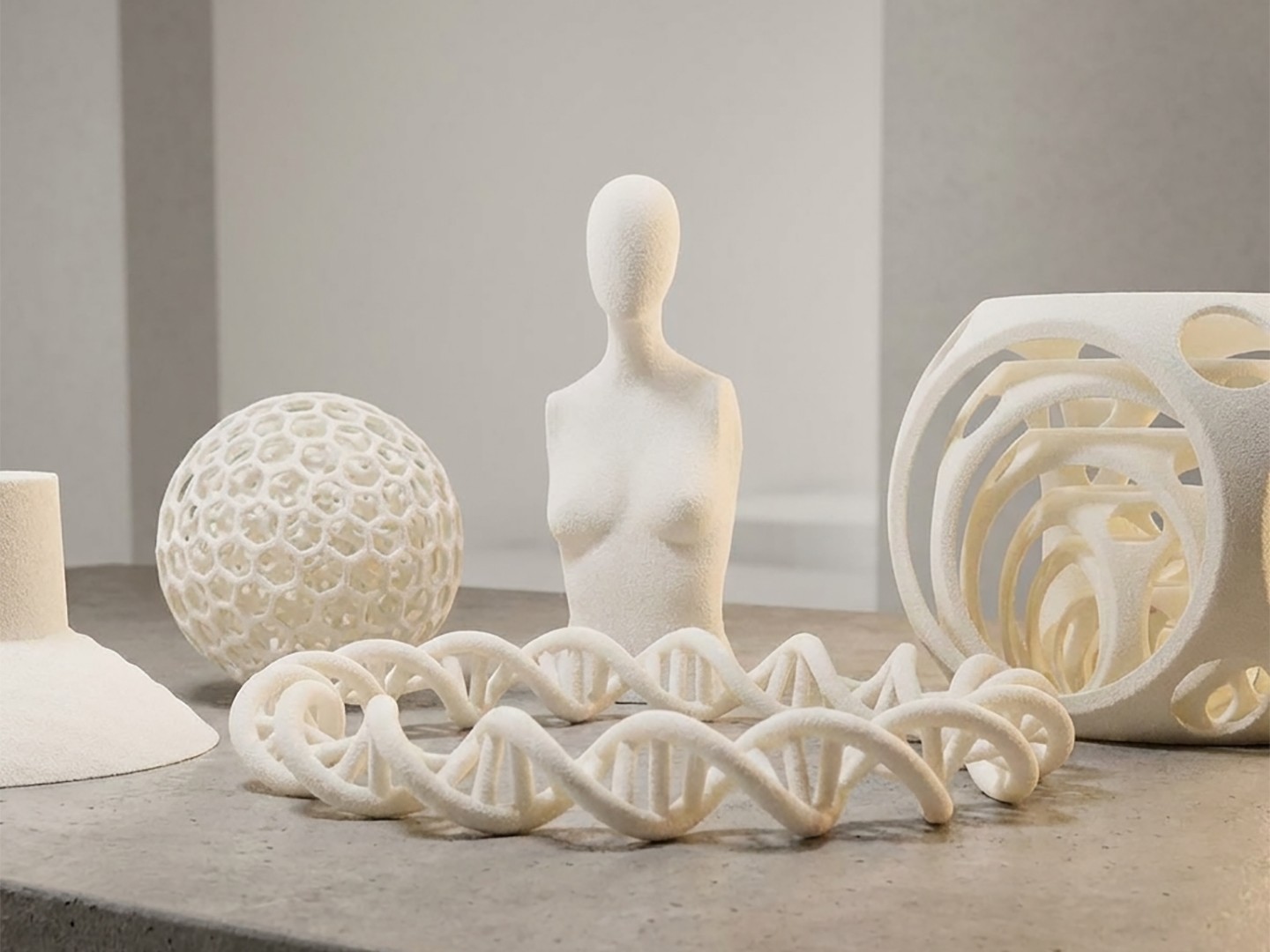
Initially, it began to be used for manufacturing rapid prototypes, but increasingly it is used to manufacture parts in series. The ability to produce pieces with a very complex geometry directly from digital CAD models has facilitated their growth and expansion worldwide.
At Ineo we have experience in the different applications of this additive manufacturing technology, since we have used it since its inception. The sintered laser is one of the reference technologies for the manufacture of parts.
We have polyamide laser sintering machines (SLS), with which it is possible to build large format pieces in short delivery time. Likewise, we offer a wide range of services to improve the design and finishing of the pieces.
Our extensive experience in SLS technology allows us to guarantee maximum reliability in mass production, short series, and functional components. At Ineo, we place our technical expertise in polyamide sintering at your service to ensure every part meets the demands of your specific application. Trust our track record to obtain robust results that are ready for end-use.
Do you need to manufacture functional components or short series with high technical resistance? Would you like to discover how our expertise in 3D printing (SLS) can optimise your mass production?
Talk to our technical team
What is laser sintering?
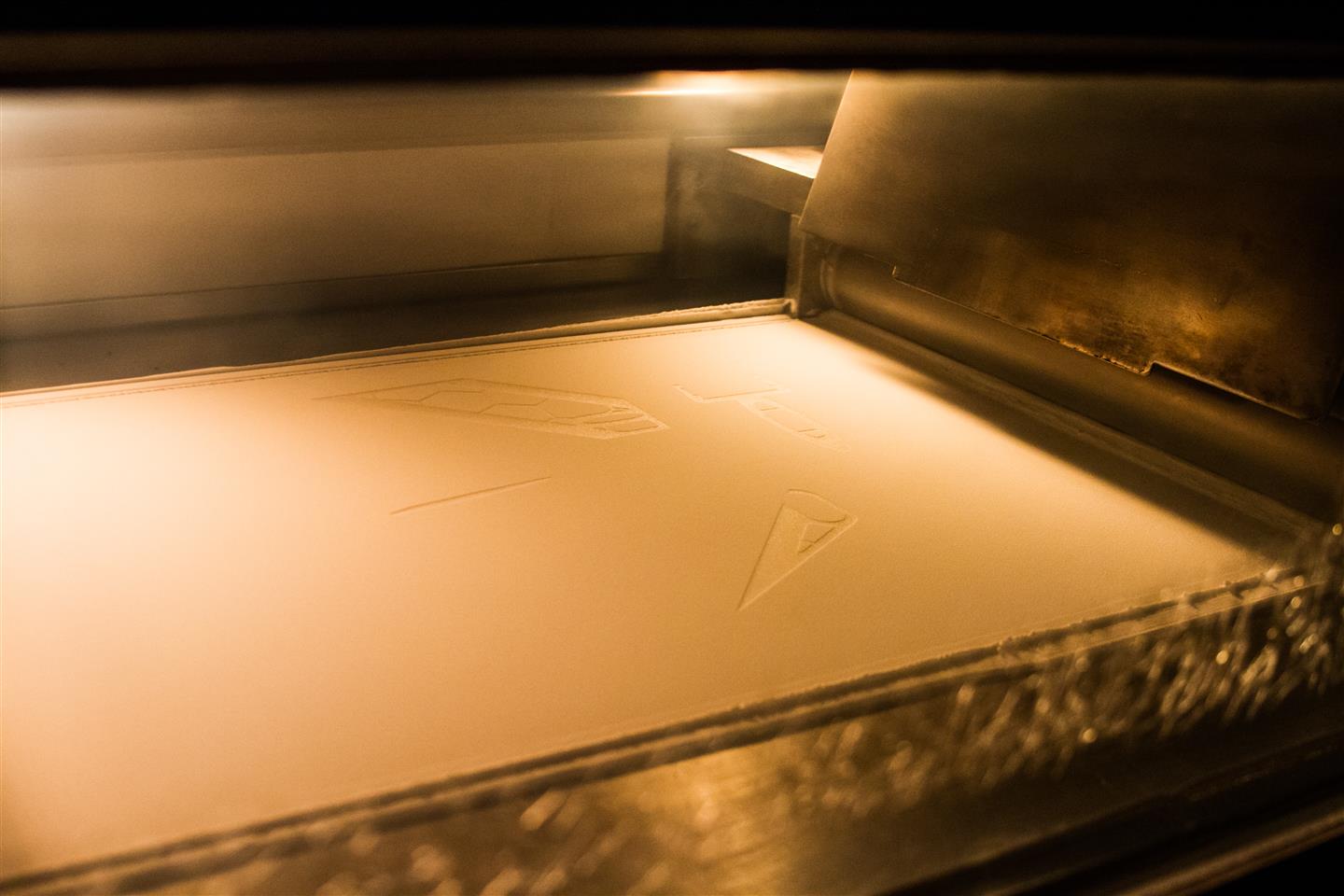
Selective laser sintering (SLS) is a 3D printing process for the manufacture of final parts, models and prototypes, which solidifies layer by layer powder of polyamide by means of a laser.

How does it work?
The manufacturing process starts at the machine in an inert chamber and preheated to 170ºC where a layer of powder material is deposited in the work zone. The laser selectively fuses each of the layers in said area and the platform moves downward for each layer sequentially.
After the manufacture, the pieces are extracted and are passed through a sandblasting process for cleaning, thus being finished.

Applications of laser sintering (SLS)
The parts manufactured by laser sintering are very suitable as functional parts and allow the application of different surface finishes. This technology allows high productivity and has applications such as:
- Functional pieces
- Manufacture of short series of pieces (low volume manufacturing)
- Models of dimensional and functional product validation
- Possibility of sintering sand to make cores or sand molds for foundry
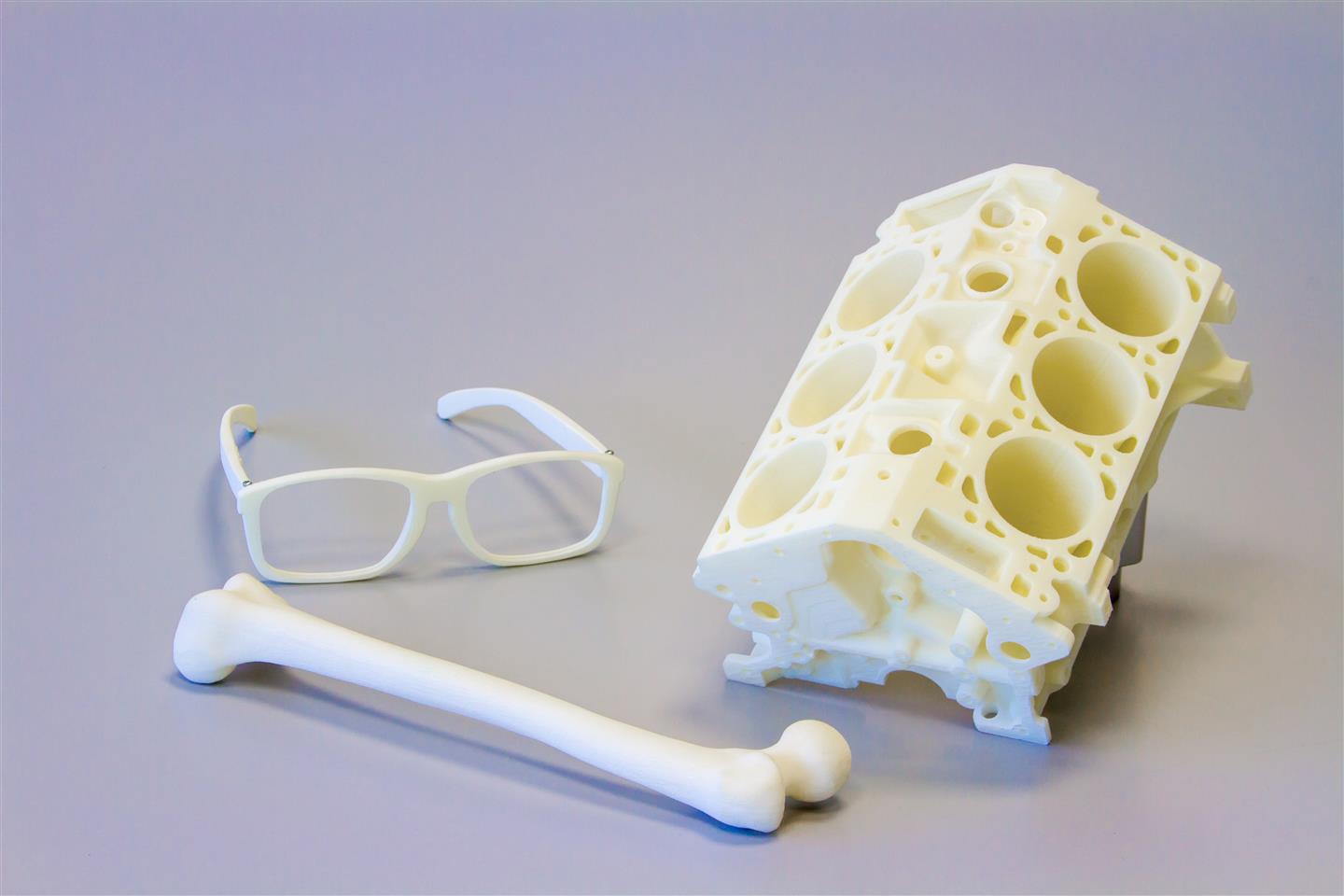
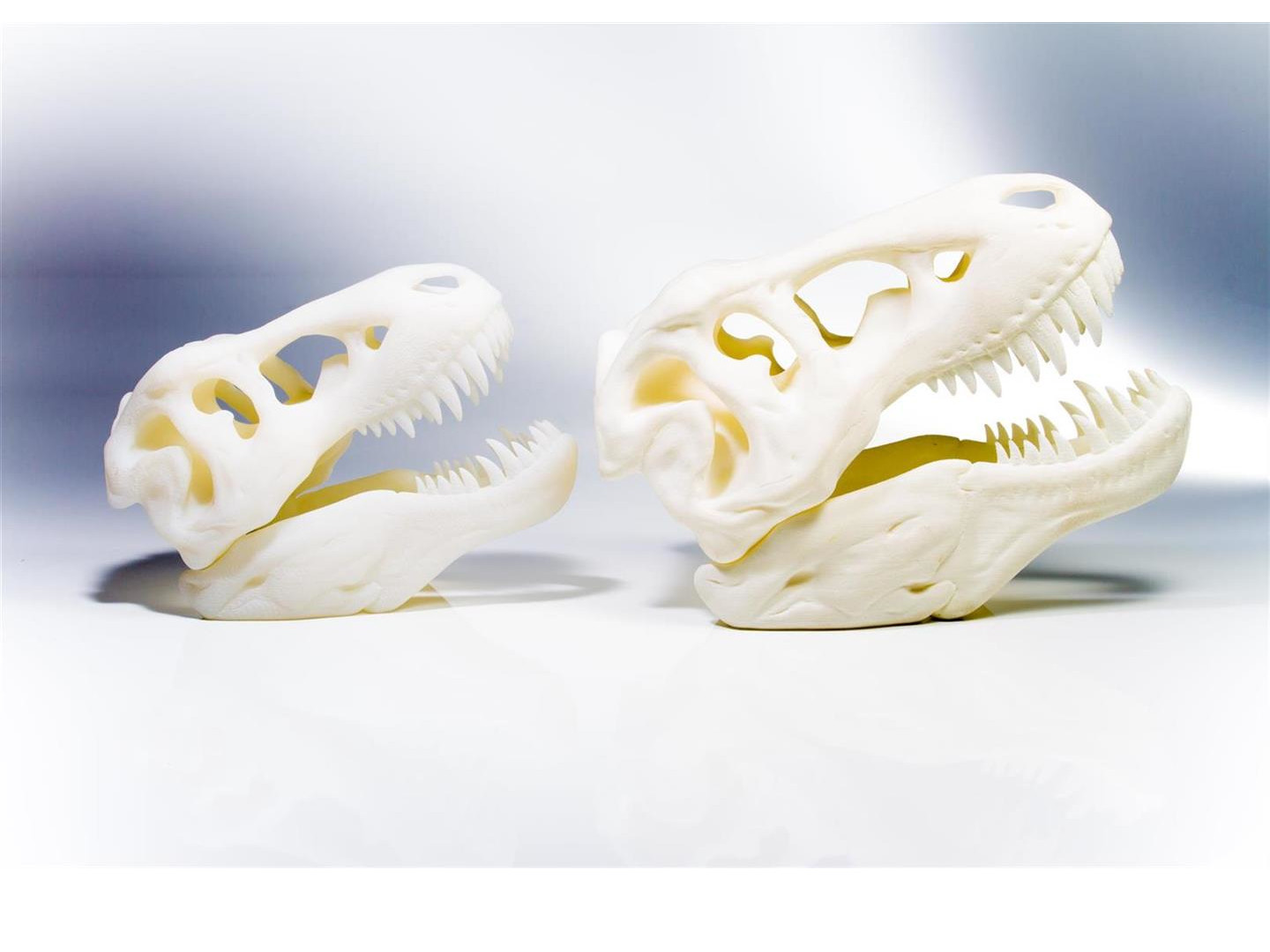
- Manufacture of complex geometry parts
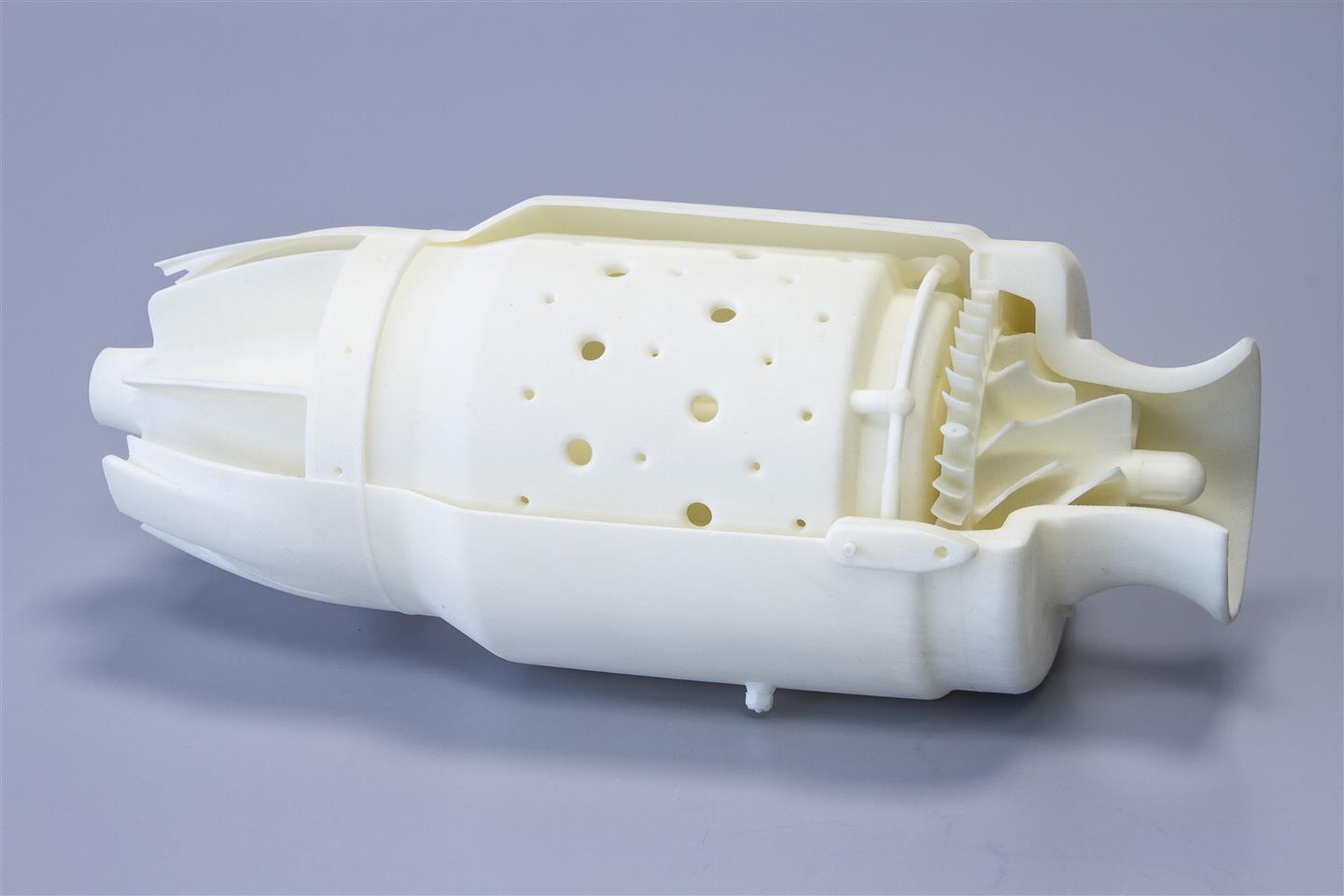
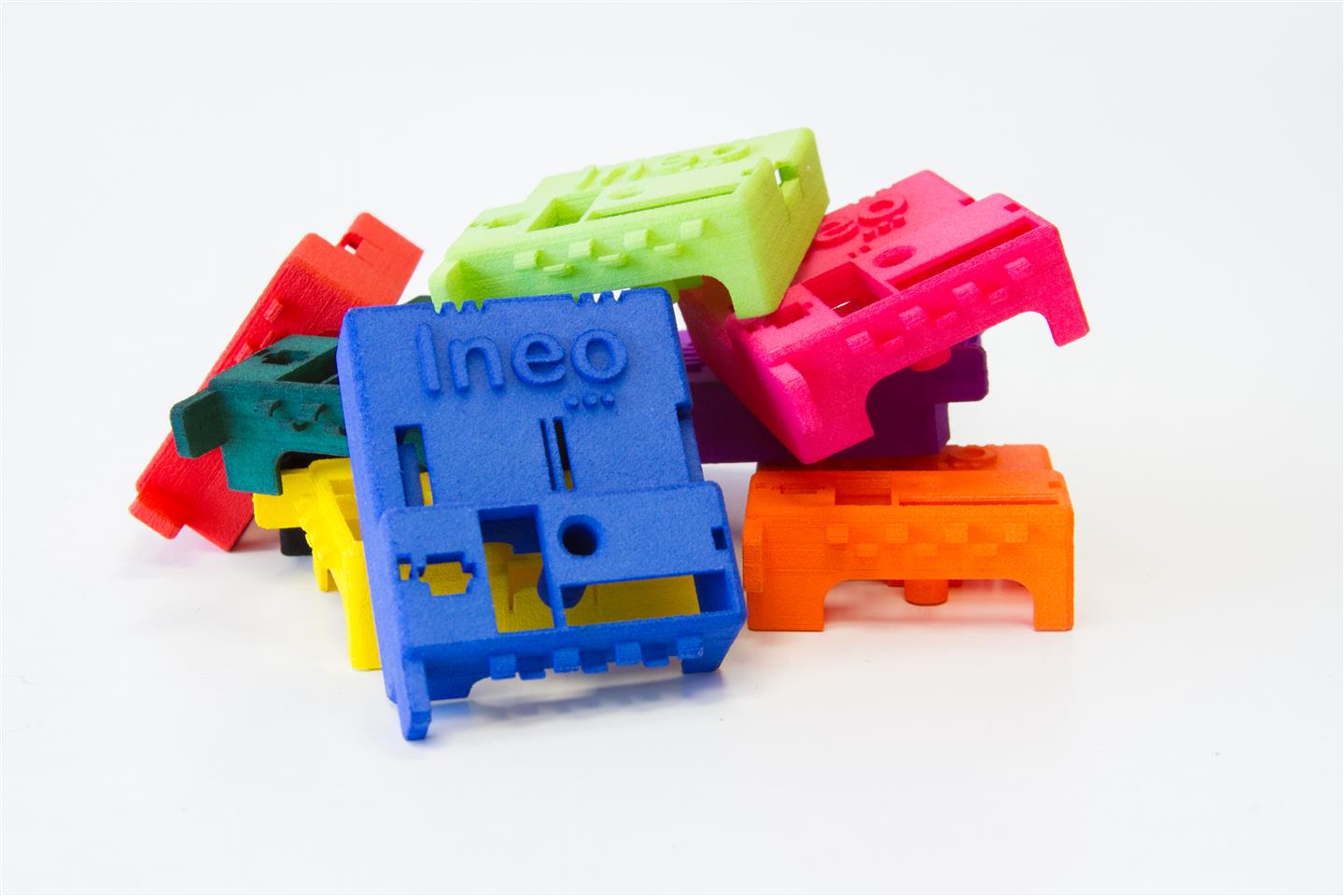
Advantages of laser sintering (SLS)
Some of its advantages are:
- Materials: PA12, PA12 GB (glass microspheres), PA11, PA11 ESD (with graphene, antistatic), PA11 FR (flame retardant), TPU (elastomer thermoplastic polyurethane), PP, PA FC (carbon fiber), PA12+aluminum, PPS (polyphenylene sulfide), PEEK, PA6, TPE, PBT, sand, metal
- Productivity: ability to manufacture many pieces at once quickly
- Possibility of application of different surface finishes
- Especially recommended for short series of small or medium pieces
- Complete freedom of design supports not required, the dust supports the piece
- Option to nest pieces (one inside the other)
Aspects to consider
Some considerations regarding the sintering laser:
- Possible deformations in very large pieces
- Slightly rough surface appearance
- A cooling and cleaning process of the parts is required
Materials for 3D SLS printing
PA12 |
|---|
Very good mechanical and thermal behaviour (> 90ºC) and against solvents (hydrocarbons, alkalines). Sterilizable, FDA approved, biocompatible, long durability and aging resistance, can be machined, slightly rough surface. |
Flexibility
Temperature resistance
Impact Resistance
PA12 with fiberglass |
|---|
Polyamide 12 with glass charge. Very good mechanical and thermal behaviour (> 134ºC), against solvents (hydrocarbons, alkalines), long durability and resistance to aging, can be machined, slightly rough surface. |
Flexibility
Temperature resistance
Impact Resistance
PA12 with aluminum |
|---|
Polyamide 12 with high rigidity aluminium and high thermal resistance, long durability and aging resistance, can be machined, good heat transmission, aluminium colour. |
Flexibility
Temperature resistance
Impact Resistance
TPU elastomer |
|---|
Rubber thermoplastic polyurethane to make rubber parts with good elastic characteristics. |
Flexibility
Temperature resistance
Impact Resistance
Plant-based and completely recyclable material for SLS 3D printing
We use BASF Ultrasint PA11 polyamide in our laser sintering processes (3D printing), a sustainable material of plant origin, which provides quality and durability to the parts we manufacture.
BASF Ultrasint PA11 |
|---|
BASF Ultrasint PA11 is a high-quality polyamide 11 material, derived from renewable sources (castor oil). This material is not only environmentally friendly, but also offers exceptional mechanical properties, such as high impact resistance and flexibility. The raw material to produce Ultrasint PA11 comes from 100% castor seed oil. The castor bean plant grows in arid places that are difficult to cultivate, in this way, its cultivation does not compete with the human or animal food chain.
Ultrasint PA11 is used in a wide range of applications thanks to its excellent properties, including exceptional chemical resistance, easy processing, high and low temperature performance (-40°C / +130°C), high dimensional stability and low density. |
Sustainability
BASF engages with castor oil (castor) farming communities in India to improve castor oil productivity by training farmers to build capacity, improve yields and reduce environmental impacts.
- Plant origin, castor oil
- Durability: Unlike disposable plastics, this type of polyamide is highly durable in its intended applications
- Lightness: lighter materials can save enormously on vehicle fuel consumption
- Recyclability: Recyclable and reusable polymers through the BASF recycling program
- Sustainable Markets: These polymers play enabling roles in many key applications for global sustainability, such as water filtration, solar energy, electric vehicle batteries and cooling roofs
- Carbon footprint: much lower than that of Polyamide PA12
The manufacture of parts with BASF Ultrasint PA11 polyamide with our laser sintering process offers multiple advantages for your projects:
- Superior Durability: Stronger and more durable parts
- Improved Flexibility: Ideal for applications requiring flexible, wear-resistant parts
- Sustainability: Material derived from renewable sources, aligning with sustainable manufacturing practices
Plant-based Polyamide PA11 ESD (Electrostatic Discharge)
This material represents a significant evolution in polyamide-based materials, combining sustainability with advanced electrostatic dissipation properties. It is quickly becoming the preferred choice for applications where the safety and integrity of electronic components are of the highest priority.
PA11 ESD |
|---|
What is PA11 ESD? PA11 ESD is a variant of polyamide 11 (PA11), a plant-based polymer derived from castor oil. PA11 ESD's distinctive feature is its ability to dissipate electrostatic charges, making it ideal for applications where static electricity buildup can be harmful.
|
Properties and advantages
Key Properties of PA11 ESD
- Electrostatic Dissipation: The ability to dissipate static charges reduces the risk of sparks and electronic failures.
- Sustainability: Derived from castor oil, PA11 is an environmentally friendly option compared to petroleum-based polymers.
- Chemical and Mechanical Resistance: It offers excellent chemical resistance and durability under demanding conditions.
- Flexibility and Processability: Polyamide 11 offers more flexibility than ESD materials based on other polymers.
Advantages of using PA11 ESD in the Industry
- Risk Reduction: Minimizes the risk of sparks that can cause explosions or damage to electronic equipment.
- Improved Product Quality: Ensures the functionality of electronic components, reducing failures and prolonging the useful life of products.
- Commitment to Sustainability: Its plant origin makes it an attractive option for companies committed to reducing their environmental footprint.
PA11 ESD is a crucial material for applications where the dissipation of electrostatic charges is vital for the safety and efficient operation of sensitive electronic components and systems. Its combination of unique properties and sustainable origin make it a preferred choice across multiple industries.
FAQs – Selective Laser Sintering (SLS) & Industrial Applications Insights
- What is Selective Laser Sintering (SLS)?
SLS is a powder bed fusion 3D printing technology that uses a laser to sinter thermoplastic powder layer by layer, creating strong and functional parts without support structures. - What materials are used in SLS printing?
SLS commonly uses polyamides such as PA12, PA11 and reinforced materials, offering good mechanical strength, flexibility and thermal resistance. - What is SLS used for in industry?
It is used for functional prototypes, end-use parts, low-volume production and complex geometries that cannot be easily manufactured with traditional methods. - What are the advantages of SLS compared to other 3D printing technologies?
SLS allows high design freedom, no support structures, good mechanical properties and efficient batch production of multiple parts in a single build. - Can SLS parts be used as final production components?
Yes, SLS parts are widely used as end-use components in industrial applications due to their strength, durability and stability. - Can Ineo ship SLS manufactured parts internationally?
Yes, Ineo produces SLS parts in Barcelona, Spain, and ships prototypes and production components across Europe and worldwide with full logistics support.
National and International Delivery Times for 3D Printing Services
Need your parts ASAP?
Ineo provides high-speed 3D printing for professional applications, guaranteeing fast-turnaround deliveries with optimized lead times.
We manufacture locally in Terrassa (Barcelona, Spain) and distribute worldwide, offering streamlined production for end-use parts, prototypes, functional testing, and urgent technical series.
📦 No minimum order quantity – Guaranteed delivery times – Technical support
3D Printing Delivery Times in Spain:
Small-Scale Parts
- Powder sintering (SLS/MJF) → 2-3 business days
Large-Scale Parts
- Powder sintering (SLS/MJF) → 4-7 business days
Deliveries to Canary Islands, Balearics, Ceuta & Melilla:
Shipments to these regions may require 1-5 additional business days due to logistics and (for Canary Islands) customs processing.
International 3D Printing Deliveries:
Orders outside Spain require extended lead times. Additional delivery time varies by destination country and local logistics/customs factors.
For precise international delivery estimates, contact our customer service team.
Ready to manufacture your parts?
INEO PROTOTIPOS S.L.
C/Avenc del Daví, 6 Pol.Ind.Can Petit
Terrassa, Barcelona 08227
Tel. +34 937 337 000
Email: contact@ineo.es
Web: https://www.ineo.es